
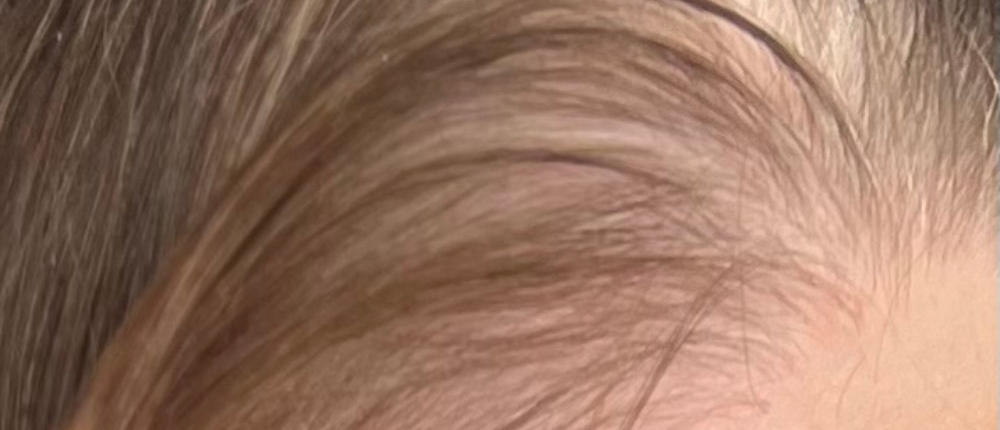
Understanding the Link Between Weight Loss Drugs and Hair Shedding
In recent years, more people have started using weight loss medications such as Ozempic, Wegovy, and Mounjaro. Alongside their benefits, many clients report an unexpected side effect – increased hair shedding.
For some, the timing can feel alarming. Hair appears to be thinning, and the medication is the obvious thing to blame. However, in clinical assessment, the relationship between weight loss medications and hair shedding is usually more complex.
This article explains what we commonly see in clinic, why hair shedding can occur during periods of weight loss, and how this differs from permanent hair loss conditions.
Is hair shedding caused by weight loss drugs?
Current clinical evidence does not show that weight loss medications directly cause permanent hair loss. Instead, hair shedding experienced during this time is most often linked to the body’s response to rapid weight loss, reduced calorie intake, or physiological stress.
Research shows that significant changes to the body – including sudden weight loss – can trigger a form of temporary hair shedding known as telogen effluvium.
Telogen effluvium is a well-documented response to physical stress and metabolic change, rather than a medication-specific reaction.
Authoritative clinical explanations of telogen effluvium can be found through trusted sources such as the National Center for Biotechnology Information and the Cleveland Clinic:
Why hair shedding often appears weeks after weight loss begins
One of the most confusing aspects of hair shedding is timing.
Hair growth follows a cycle. When the body experiences stress, illness, or significant weight loss, a larger number of hairs may shift into a resting phase. These hairs are not shed immediately.
Instead, shedding typically becomes noticeable 6 to 12 weeks after the initial trigger. By that point, weight loss may be well underway, making it easy to assume the medication itself is the cause.
This delayed response is a hallmark of telogen effluvium and has been described extensively in clinical literature.
What we commonly assess in clinic
When clients attend the Hair & Scalp Clinic with concerns about medication-related hair loss, our role is not to assume a cause, but to assess what is actually happening.
In clinical settings, hair shedding during weight loss is most commonly assessed as telogen effluvium. However, assessment is important because other conditions can coexist or become more noticeable at the same time.
These may include:
- Telogen effluvium triggered by rapid weight loss or stress
- Underlying androgenetic alopecia becoming more visible
- Hormonal changes, including perimenopause or menopause
- Nutritional factors affecting hair growth
This is why accurate assessment matters. Temporary shedding and permanent hair loss conditions require very different management approaches.
Weight loss medications and hair shedding: separating correlation from cause
Because hair shedding often coincides with the use of weight loss medications, it is natural to link the two. However, correlation does not necessarily mean causation.
Clinical research shows that rapid weight loss itself – regardless of how it is achieved – is a recognised trigger for telogen effluvium.
This pattern has also been observed in people who lose weight through strict dieting, illness, or bariatric surgery, where similar shedding timelines occur.
For medication-specific information, you can explore these articles:
- Ozempic and Hair Loss: What the Research Really Says
- Wegovy and Hair Loss: Separating Fact from Fear
- Mounjaro and Hair Loss: Is It a Common Side Effect?
Understanding telogen effluvium
Telogen effluvium is a form of temporary hair shedding that occurs when a higher-than-normal number of hairs enter the resting phase of the hair cycle.
Common triggers include:
- Rapid weight loss
- Significant calorie reduction
- Illness or surgery
- Hormonal changes
- Physical or emotional stress
Clinical reviews published through the National Center for Biotechnology Information describe telogen effluvium as a reversible condition in most cases, provided the underlying trigger is addressed and the body is supported through recovery.
You can read more about this condition here:
Telogen Effluvium Explained: The Temporary Hair Loss No One Talks About.
The role of nutrition during weight loss
Hair growth requires energy and nutrients. During periods of rapid weight loss, overall calorie intake may drop, and nutritional balance can be affected.
Even when food choices are healthy, reduced intake can impact the body’s ability to support hair growth.
Clinical evidence consistently shows that nutritional factors play an important role in both the onset and recovery of telogen effluvium.
We explore this in more detail here:
The Role of Nutrition and Supplements in Post-Weight-Loss Hair Recovery.
When hair shedding needs further investigation
While telogen effluvium is temporary in many cases, ongoing shedding or thinning should not be ignored.
Further assessment is recommended if:
- Shedding lasts longer than several months
- Hair density continues to reduce
- Scalp symptoms such as irritation or inflammation are present
- There is a family history of pattern hair loss
A professional hair and scalp assessment helps determine whether shedding is temporary or whether another condition is contributing.
The clinic’s role in supporting hair recovery
The Hair & Scalp Clinic does not diagnose medical conditions or advise on medications. Our role is to assess hair and scalp health, identify patterns consistent with known hair loss conditions, and support recovery where appropriate.
This includes:
- Identifying telogen effluvium and differentiating it from other forms of hair loss
- Assessing scalp health
- Considering nutritional and lifestyle factors
- Providing realistic expectations around regrowth timelines
Key takeaway
Hair shedding during weight loss is understandably distressing, but in most cases it is not caused directly by weight loss medications.
Clinical evidence shows that rapid weight loss, metabolic stress, and nutritional changes are common triggers for temporary hair shedding such as telogen effluvium.
With appropriate assessment and support, many clients see shedding improve over time.
Important note: This information is provided for educational purposes only and does not replace medical advice. Always consult your prescribing doctor or healthcare provider regarding medications or medical concerns.
Frequently Asked Questions
Do weight loss drugs directly cause hair loss?
Current clinical evidence does not show that weight loss drugs directly cause permanent hair loss. In most cases, hair shedding experienced during weight loss is linked to the body’s response to rapid weight loss, reduced calorie intake, or physiological stress rather than the medication itself.
Why does hair shedding start after I’ve already lost weight?
Hair shedding often begins weeks after the initial trigger. This is because hair growth follows a cycle. When the body experiences stress, such as rapid weight loss, more hairs enter a resting phase and are shed later, usually around 6 to 12 weeks afterward.
What is telogen effluvium?
Telogen effluvium is a form of temporary hair shedding that occurs when a higher-than-normal number of hairs shift into the resting phase of the hair growth cycle. It is commonly triggered by physical stress, illness, hormonal changes, or significant weight loss.
Is telogen effluvium permanent?
In most cases, no. Telogen effluvium is usually temporary. Once the underlying trigger is addressed and the body stabilises, hair growth often resumes over time. However, recovery timelines can vary between individuals.
Can weight loss uncover other hair loss conditions?
Yes. Rapid shedding can sometimes make an underlying condition, such as androgenetic alopecia or hormonal hair changes, more noticeable. This is why professional assessment is important rather than assuming all shedding has the same cause.
Does everyone who loses weight experience hair shedding?
No. Some people experience noticeable shedding, while others do not. Factors such as the rate of weight loss, nutritional intake, stress levels, hormonal status, and individual hair history all influence how the body responds.
Is hair shedding different from hair breakage?
Yes. Hair shedding involves hair falling from the root, while breakage occurs along the hair shaft. They have different causes and require different approaches, which is why assessment is important.
How long should hair shedding last before I seek help?
If shedding continues for several months, if hair density keeps reducing, or if you notice scalp irritation or discomfort, it’s a good idea to seek professional advice rather than waiting for it to resolve on its own.
Can nutrition affect hair shedding during weight loss?
Yes. Hair growth requires energy and nutrients. Reduced calorie intake or nutritional imbalance during weight loss can contribute to hair shedding and may affect recovery if not addressed.
What does the Hair & Scalp Clinic do in these cases?
The clinic assesses hair and scalp health, looks for patterns consistent with known hair loss conditions, and supports recovery where appropriate. The clinic does not diagnose medical conditions or provide medication advice.
You may be also interested in
 https://www.thehairscalpclinic.com.au/wp-content/uploads/2026/01/Nutrition-hair-loss.jpg
500
1000
admin
https://www.thehairscalpclinic.com.au/wp-content/uploads/2025/12/The-Hair-and-Scalp-Clinic-Logo-2.png
admin2026-01-07 04:22:052026-01-08 23:06:17The Role of Nutrition and Supplements in Post-Weight-Loss Hair Recovery
https://www.thehairscalpclinic.com.au/wp-content/uploads/2026/01/Nutrition-hair-loss.jpg
500
1000
admin
https://www.thehairscalpclinic.com.au/wp-content/uploads/2025/12/The-Hair-and-Scalp-Clinic-Logo-2.png
admin2026-01-07 04:22:052026-01-08 23:06:17The Role of Nutrition and Supplements in Post-Weight-Loss Hair Recovery https://www.thehairscalpclinic.com.au/wp-content/uploads/2026/01/Temporary-hair-loss.jpg
500
1000
admin
https://www.thehairscalpclinic.com.au/wp-content/uploads/2025/12/The-Hair-and-Scalp-Clinic-Logo-2.png
admin2026-01-07 04:21:132026-01-08 23:09:42Telogen Effluvium Explained: The Temporary Hair Loss No One Talks About
https://www.thehairscalpclinic.com.au/wp-content/uploads/2026/01/Temporary-hair-loss.jpg
500
1000
admin
https://www.thehairscalpclinic.com.au/wp-content/uploads/2025/12/The-Hair-and-Scalp-Clinic-Logo-2.png
admin2026-01-07 04:21:132026-01-08 23:09:42Telogen Effluvium Explained: The Temporary Hair Loss No One Talks About https://www.thehairscalpclinic.com.au/wp-content/uploads/2026/01/Mounjaro-and-hair-loss.jpg
500
1000
admin
https://www.thehairscalpclinic.com.au/wp-content/uploads/2025/12/The-Hair-and-Scalp-Clinic-Logo-2.png
admin2026-01-07 04:20:132026-01-08 23:11:23Mounjaro and Hair Loss: Is It a Common Side Effect?
https://www.thehairscalpclinic.com.au/wp-content/uploads/2026/01/Mounjaro-and-hair-loss.jpg
500
1000
admin
https://www.thehairscalpclinic.com.au/wp-content/uploads/2025/12/The-Hair-and-Scalp-Clinic-Logo-2.png
admin2026-01-07 04:20:132026-01-08 23:11:23Mounjaro and Hair Loss: Is It a Common Side Effect? https://www.thehairscalpclinic.com.au/wp-content/uploads/2026/01/Wegovy-and-hair-loss.jpg
500
1000
admin
https://www.thehairscalpclinic.com.au/wp-content/uploads/2025/12/The-Hair-and-Scalp-Clinic-Logo-2.png
admin2026-01-07 04:18:252026-01-08 23:13:01Wegovy and Hair Loss: Separating Fact from Fear
https://www.thehairscalpclinic.com.au/wp-content/uploads/2026/01/Wegovy-and-hair-loss.jpg
500
1000
admin
https://www.thehairscalpclinic.com.au/wp-content/uploads/2025/12/The-Hair-and-Scalp-Clinic-Logo-2.png
admin2026-01-07 04:18:252026-01-08 23:13:01Wegovy and Hair Loss: Separating Fact from Fear https://www.thehairscalpclinic.com.au/wp-content/uploads/2026/01/Ozempic-and-hair-loss.jpg
500
1000
admin
https://www.thehairscalpclinic.com.au/wp-content/uploads/2025/12/The-Hair-and-Scalp-Clinic-Logo-2.png
admin2026-01-07 04:16:542026-01-08 23:15:07Ozempic and Hair Loss: What the Research Really Says
https://www.thehairscalpclinic.com.au/wp-content/uploads/2026/01/Ozempic-and-hair-loss.jpg
500
1000
admin
https://www.thehairscalpclinic.com.au/wp-content/uploads/2025/12/The-Hair-and-Scalp-Clinic-Logo-2.png
admin2026-01-07 04:16:542026-01-08 23:15:07Ozempic and Hair Loss: What the Research Really Says https://www.thehairscalpclinic.com.au/wp-content/uploads/2026/01/Understanding-link-between-weight-loss-drugs.jpg
500
1000
admin
https://www.thehairscalpclinic.com.au/wp-content/uploads/2025/12/The-Hair-and-Scalp-Clinic-Logo-2.png
admin2026-01-07 04:15:572026-01-08 23:16:39Understanding the Link Between Weight Loss Drugs and Hair Shedding
https://www.thehairscalpclinic.com.au/wp-content/uploads/2026/01/Understanding-link-between-weight-loss-drugs.jpg
500
1000
admin
https://www.thehairscalpclinic.com.au/wp-content/uploads/2025/12/The-Hair-and-Scalp-Clinic-Logo-2.png
admin2026-01-07 04:15:572026-01-08 23:16:39Understanding the Link Between Weight Loss Drugs and Hair Shedding