

Hormonal Hair Changes vs Pattern Hair Loss: How They’re Different
Hair changes during midlife often raise an immediate and frightening question: “Is this permanent?” Many people worry that hormonal changes during perimenopause or menopause mean they are developing pattern hair loss.
While hormonal change and pattern hair loss can overlap, they are not the same thing. They involve different biological processes, progress differently over time, and require different approaches to support.
Understanding the distinction between hormonal hair changes and pattern hair loss is essential. It helps reduce unnecessary fear, prevents incorrect assumptions, and ensures that hair changes are assessed appropriately.
What are hormonal hair changes?
Hormonal hair changes refer to alterations in hair growth that occur in response to fluctuating or declining hormone levels, most commonly during perimenopause and menopause.
During these stages, oestrogen and progesterone levels do not decline smoothly. Instead, they fluctuate unpredictably before stabilising after menopause. These fluctuations influence how long hair remains in the growth phase of the hair cycle.
As hormonal support for growth changes, hair may shed more easily, regrow more slowly, or feel finer in texture. Importantly, this does not mean hair follicles are permanently damaged.
These changes are often temporary or variable and may improve as hormonal fluctuations settle.
What is pattern hair loss?
Pattern hair loss, also known as female pattern hair loss, is a genetically influenced condition characterised by gradual changes in hair follicle behaviour over time.
Rather than causing sudden shedding, pattern hair loss leads to progressive miniaturisation of hair follicles. Each new hair grows back finer, shorter, and less pigmented than before.
Dermatology references such as DermNet NZ describe this as a slow, ongoing process that affects hair density rather than causing dramatic hair fall.
DermNet NZ – Female Pattern Hair Loss
Because pattern hair loss progresses gradually, many people do not notice it immediately.
Why hormonal change and pattern hair loss are often confused
Hormonal hair changes and pattern hair loss are frequently confused because they can occur at the same stage of life and may produce similar visual effects.
During perimenopause or menopause, hormonal support for hair growth decreases. This can reduce overall hair density and make underlying thinning more visible.
In some cases, hormonal change does not cause pattern hair loss but reveals an existing genetic tendency that was previously subtle.
This overlap can make it difficult to determine what is happening without proper assessment.
Key differences between hormonal hair changes and pattern hair loss
Onset and timing
Hormonal hair changes often occur in relation to specific life stages, such as perimenopause, menopause, postpartum recovery, or periods of physiological stress.
Pattern hair loss usually develops gradually over years and is not linked to a single triggering event.
Shedding patterns
Hormonal changes commonly cause diffuse shedding across the scalp, particularly when telogen effluvium is involved.
Pattern hair loss rarely causes sudden shedding. Instead, it leads to reduced density over time.
Hair regrowth
With hormonal hair changes, regrowth is often possible once fluctuations stabilise, provided follicles remain active.
In pattern hair loss, regrowth may be limited because follicles gradually produce weaker hairs.
Progression
Hormonal hair changes may fluctuate, improve, or stabilise over time.
Pattern hair loss tends to progress slowly and consistently without intervention.
The role of telogen effluvium in hormonal hair changes
Telogen effluvium is a common mechanism behind hormonal hair changes. It occurs when physiological stress pushes a higher number of hairs into the resting phase of the hair cycle.
Hormonal fluctuation during menopause is recognised as a physiological stressor and can trigger telogen effluvium.
Clinical research supports the link between physiological stress and telogen effluvium (Telogen Effluvium and Physiological Stress – PubMed).
For a detailed explanation of this process, see:
Telogen Effluvium Explained: The Temporary Hair Loss No One Talks About
Why correct identification matters
Misinterpreting hormonal hair changes as pattern hair loss can lead to unnecessary distress and inappropriate expectations.
Equally, assuming that ongoing thinning is “just hormones” may delay assessment that could support long-term hair health.
Understanding the underlying process helps guide realistic timelines, appropriate care, and referral pathways when needed.
How The Hair & Scalp Clinic assesses hair changes
The Hair & Scalp Clinic does not diagnose medical conditions or prescribe medication. Our role is to assess hair and scalp health and identify patterns consistent with known causes of hair change.
A professional Hair & Scalp Analysis considers:
- Distribution and pattern of thinning
- Evidence of active shedding versus follicle miniaturisation
- Scalp health and hair shaft quality
- Timing in relation to hormonal transition
Supportive care may include:
- Maintaining scalp health through Scalp Treatments
- Targeted support via Hair Loss Treatments
- Ongoing monitoring through Personalised Treatment Plans & Follow Up Care
- Long-term strategies with Preventative & Maintenance Care
When further assessment is recommended
Assessment is recommended when hair changes are progressive, distressing, or unclear.
Clear guidance on when to seek assessment is outlined in:
When Hair Changes During Menopause Should Be Assessed
Key takeaway
Hormonal hair changes and pattern hair loss are different processes, even though they can overlap in timing and appearance.
Accurate assessment helps distinguish between temporary hormonal effects and longer-term patterns, supporting calm, appropriate, and evidence-informed care.
Frequently Asked Questions
How can I tell if my hair changes are hormonal or pattern hair loss?
Hormonal hair changes often involve diffuse shedding or temporary thinning and may improve over time. Pattern hair loss usually progresses slowly and affects density in a more consistent way. Professional assessment helps clarify the pattern.
Can menopause cause pattern hair loss?
Menopause does not cause pattern hair loss, but hormonal changes can make existing genetic tendencies more noticeable by reducing hormonal support for hair growth.
Is hair regrowth possible with hormonal hair changes?
In many cases, yes. If follicles remain active, hair can regrow once hormonal fluctuations stabilise. Regrowth is gradual and varies between individuals.
Why does pattern hair loss seem to appear around menopause?
Pattern hair loss often progresses slowly over many years. Menopause can reduce hormonal support, making previously subtle thinning more visible.
Should I treat hormonal hair changes the same way as pattern hair loss?
No. These conditions involve different processes and require different expectations. Correct identification is essential for appropriate care.
What role does a hair and scalp clinic play?
A clinic assesses hair and scalp health, identifies patterns consistent with known conditions, and provides supportive care. Clinics do not diagnose medical conditions but work alongside medical professionals where needed.
You may be also interested in
 https://www.thehairscalpclinic.com.au/wp-content/uploads/2026/01/When-hair-changes-during-menopause.jpg
500
1000
admin
https://www.thehairscalpclinic.com.au/wp-content/uploads/2025/12/The-Hair-and-Scalp-Clinic-Logo-2.png
admin2026-01-08 01:43:352026-01-08 22:33:51When Hair Changes During Menopause Should Be Assessed
https://www.thehairscalpclinic.com.au/wp-content/uploads/2026/01/When-hair-changes-during-menopause.jpg
500
1000
admin
https://www.thehairscalpclinic.com.au/wp-content/uploads/2025/12/The-Hair-and-Scalp-Clinic-Logo-2.png
admin2026-01-08 01:43:352026-01-08 22:33:51When Hair Changes During Menopause Should Be Assessed https://www.thehairscalpclinic.com.au/wp-content/uploads/2026/01/Hormonal-hair-changes.jpg
500
1000
admin
https://www.thehairscalpclinic.com.au/wp-content/uploads/2025/12/The-Hair-and-Scalp-Clinic-Logo-2.png
admin2026-01-08 01:39:162026-01-08 22:52:06Hormonal Hair Changes vs Pattern Hair Loss: How They’re Different
https://www.thehairscalpclinic.com.au/wp-content/uploads/2026/01/Hormonal-hair-changes.jpg
500
1000
admin
https://www.thehairscalpclinic.com.au/wp-content/uploads/2025/12/The-Hair-and-Scalp-Clinic-Logo-2.png
admin2026-01-08 01:39:162026-01-08 22:52:06Hormonal Hair Changes vs Pattern Hair Loss: How They’re Different https://www.thehairscalpclinic.com.au/wp-content/uploads/2026/01/Why-hair-density-changes.jpg
500
1000
admin
https://www.thehairscalpclinic.com.au/wp-content/uploads/2025/12/The-Hair-and-Scalp-Clinic-Logo-2.png
admin2026-01-08 01:37:552026-01-08 22:54:23Why Hair Density Changes During Perimenopause
https://www.thehairscalpclinic.com.au/wp-content/uploads/2026/01/Why-hair-density-changes.jpg
500
1000
admin
https://www.thehairscalpclinic.com.au/wp-content/uploads/2025/12/The-Hair-and-Scalp-Clinic-Logo-2.png
admin2026-01-08 01:37:552026-01-08 22:54:23Why Hair Density Changes During Perimenopause https://www.thehairscalpclinic.com.au/wp-content/uploads/2026/01/Hair-thinning-during-menopause.jpg
500
1000
admin
https://www.thehairscalpclinic.com.au/wp-content/uploads/2025/12/The-Hair-and-Scalp-Clinic-Logo-2.png
admin2026-01-08 01:36:422026-01-08 22:56:39Hair Thinning During Menopause: Temporary Shedding or Ongoing Change?
https://www.thehairscalpclinic.com.au/wp-content/uploads/2026/01/Hair-thinning-during-menopause.jpg
500
1000
admin
https://www.thehairscalpclinic.com.au/wp-content/uploads/2025/12/The-Hair-and-Scalp-Clinic-Logo-2.png
admin2026-01-08 01:36:422026-01-08 22:56:39Hair Thinning During Menopause: Temporary Shedding or Ongoing Change? https://www.thehairscalpclinic.com.au/wp-content/uploads/2026/01/Menopause-and-telogen-effluvium.jpg
500
1000
admin
https://www.thehairscalpclinic.com.au/wp-content/uploads/2025/12/The-Hair-and-Scalp-Clinic-Logo-2.png
admin2026-01-08 01:35:422026-01-08 22:58:57Menopause and Telogen Effluvium: When Hormonal Change Triggers Temporary Shedding
https://www.thehairscalpclinic.com.au/wp-content/uploads/2026/01/Menopause-and-telogen-effluvium.jpg
500
1000
admin
https://www.thehairscalpclinic.com.au/wp-content/uploads/2025/12/The-Hair-and-Scalp-Clinic-Logo-2.png
admin2026-01-08 01:35:422026-01-08 22:58:57Menopause and Telogen Effluvium: When Hormonal Change Triggers Temporary Shedding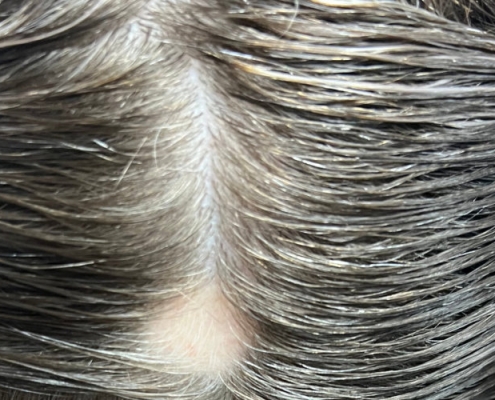 https://www.thehairscalpclinic.com.au/wp-content/uploads/2026/01/Hormonal-changes-and-hairloss-what-happens.jpg
500
1000
admin
https://www.thehairscalpclinic.com.au/wp-content/uploads/2025/12/The-Hair-and-Scalp-Clinic-Logo-2.png
admin2026-01-08 01:34:252026-01-08 23:00:56Hormonal Changes and Hair Loss: What Happens During Perimenopause and Menopause
https://www.thehairscalpclinic.com.au/wp-content/uploads/2026/01/Hormonal-changes-and-hairloss-what-happens.jpg
500
1000
admin
https://www.thehairscalpclinic.com.au/wp-content/uploads/2025/12/The-Hair-and-Scalp-Clinic-Logo-2.png
admin2026-01-08 01:34:252026-01-08 23:00:56Hormonal Changes and Hair Loss: What Happens During Perimenopause and Menopause
