
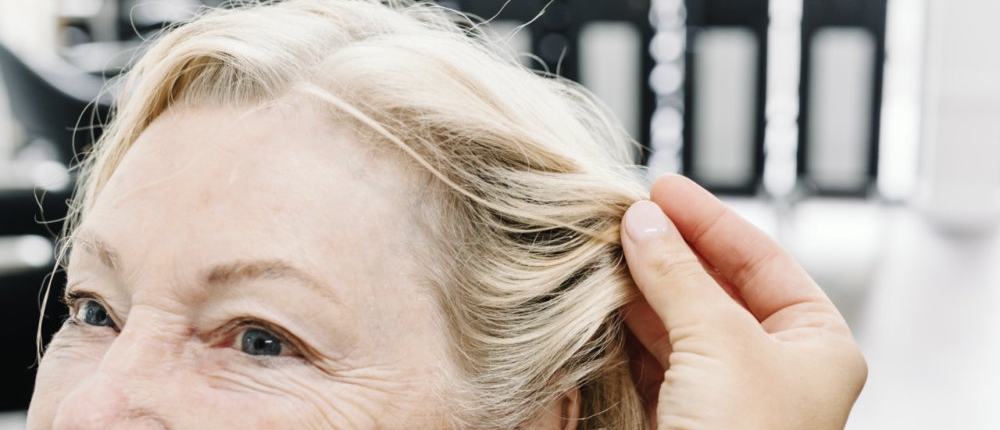
Hair Thinning During Menopause: Temporary Shedding or Ongoing Change?
One of the most common – and distressing – concerns raised during menopause is the feeling that hair is becoming thinner. Unlike sudden shedding, thinning often happens gradually, making it harder to pinpoint when it started or why.
Many people are left wondering whether the change is temporary, part of a normal hormonal transition, or a sign of ongoing hair loss. Understanding the difference matters, because the cause influences both expectations and the type of support that may be helpful.
This article explains why hair thinning can occur during menopause, how it differs from temporary shedding, and when professional assessment is recommended.
What does “hair thinning” actually mean?
Hair thinning does not always mean the same thing to everyone. Some people notice more scalp visibility, others feel their ponytail becoming smaller, and some experience hair that feels finer or less resilient than it used to.
Clinically, thinning refers to a reduction in overall hair density or volume. This can happen for different reasons. In some cases, it is the result of temporary shedding where hair has not yet had time to regrow. In others, it reflects longer-term changes in how hair follicles behave.
Understanding what kind of thinning is occurring requires looking at the pattern, timing, and progression of the change – not just the amount of hair being lost.
How menopause affects hair growth over time
During perimenopause and menopause, hormone levels do not decline smoothly. Instead, they fluctuate, sometimes significantly, before stabilising at a lower level after menopause.
Oestrogen plays a supportive role in the hair growth cycle. It helps maintain hairs in the growth phase for longer periods. When oestrogen levels fluctuate or decline, hairs may spend less time growing and more time resting. Over time, this can influence both shedding patterns and hair density.
Importantly, these hormonal changes do not affect everyone in the same way. Genetics, existing hair conditions, stress levels, nutritional status, and overall health all influence how hair responds during this stage of life.
Healthdirect Australia notes that menopausal symptoms can vary widely, and hair changes are just one of many possible effects of hormonal transition.
Healthdirect Australia – Menopause
Temporary thinning caused by telogen effluvium
One common reason for thinning during menopause is telogen effluvium. This condition causes a larger number of hairs to enter the resting phase of the hair cycle at the same time, leading to noticeable shedding several months later.
When telogen effluvium occurs, the scalp may appear thinner simply because fewer hairs are present at that moment – not because follicles have stopped working. As regrowth begins, density often improves gradually.
Hormonal fluctuation during menopause can act as a physiological stressor that triggers telogen effluvium. This connection is well documented in clinical literature, including reviews published through the National Center for Biotechnology Information.
Telogen Effluvium and Physiological Stress – PubMed
For a detailed explanation of this process, see:
Menopause and Telogen Effluvium: When Hormonal Change Triggers Temporary Shedding
Ongoing thinning related to changes in hair growth patterns
In some cases, hair thinning during menopause reflects longer-term changes rather than temporary shedding. This may involve hairs growing more slowly, becoming finer, or producing shorter growth cycles over time.
Dermatological sources such as DermNet NZ explain that pattern hair loss involves gradual miniaturisation of hair follicles, leading to reduced hair density rather than sudden shedding.
DermNet NZ – Female Pattern Hair Loss
Hormonal change does not cause pattern hair loss, but it can make existing tendencies more noticeable. This is why some individuals first become aware of thinning during menopause, even if the process began earlier.
This distinction is explored further in:
Hormonal Hair Changes vs Pattern Hair Loss: How They’re Different
Why thinning can feel progressive during perimenopause
Perimenopause is marked by ongoing hormonal fluctuation rather than stability. During this phase, hair may go through repeated cycles of shedding and regrowth.
If regrowth is slower or hairs grow back finer, overall density may appear reduced over time. This can create the impression that hair is continuously thinning, even when follicles remain active.
This stage-specific experience is discussed in more detail in:
Why Hair Density Changes During Perimenopause
How The Hair & Scalp Clinic assesses hair thinning during menopause
The Hair & Scalp Clinic does not diagnose medical conditions or prescribe medication. Our role is to assess hair and scalp health and identify patterns that may be consistent with known conditions.
A professional Hair & Scalp Analysis looks at:
- Hair density and distribution
- Evidence of active shedding versus reduced regrowth
- Scalp health and follicle condition
- Contributing lifestyle or physiological factors
This assessment helps determine whether thinning appears temporary, ongoing, or influenced by multiple factors.
Supporting hair health during menopausal thinning
Support focuses on creating the best possible environment for hair growth rather than attempting to force rapid change.
Depending on individual needs, care may include:
- Optimising scalp health with Scalp Treatments
- Targeted support through Hair Loss Treatments
- Monitoring progress with Personalised Treatment Plans & Follow Up Care
- Long-term strategies via Preventative & Maintenance Care
When thinning during menopause should be assessed
Not all hair thinning requires intervention. However, assessment is recommended if thinning is progressive, distressing, or accompanied by other scalp or health changes.
Clear guidance on when to seek assessment is outlined in:
When Hair Changes During Menopause Should Be Assessed
Key takeaway
Hair thinning during menopause can result from temporary shedding, longer-term changes in hair growth, or a combination of both. Understanding which process is occurring is essential for setting realistic expectations and choosing appropriate support.
Careful assessment and evidence-informed guidance help ensure that hair changes are addressed calmly, ethically, and effectively.
Frequently Asked Questions
Why does hair thinning often start during menopause?
Hormonal fluctuation during perimenopause and menopause affects the hair growth cycle. Reduced oestrogen support can shorten the growth phase of hair, increase shedding, or slow regrowth. Over time, this can affect overall hair density.
How can I tell if my thinning is temporary or ongoing?
Temporary thinning is often linked to telogen effluvium and improves as regrowth occurs. Ongoing thinning tends to progress slowly and may involve finer hair or reduced density over time. Professional assessment helps clarify the pattern.
Can hair regrow after menopausal thinning?
In many cases, yes. If follicles remain active, regrowth can occur once hormonal fluctuations stabilise. However, regrowth is gradual and varies between individuals.
Is menopausal hair thinning the same as female pattern hair loss?
No. While they can overlap, they involve different processes. Pattern hair loss involves gradual follicle miniaturisation, while menopausal thinning may reflect hormonal or stress-related changes in the hair cycle.
Should I be worried if my hair feels thinner during menopause?
Hair changes during menopause are common, but persistent or worsening thinning should be assessed to determine the cause and appropriate support.
What support can a hair and scalp clinic provide?
A clinic can assess hair and scalp health, identify patterns consistent with known conditions, and provide supportive care. Clinics do not diagnose medical conditions but work alongside medical professionals where needed.
You may be also interested in
 https://www.thehairscalpclinic.com.au/wp-content/uploads/2026/01/When-hair-changes-during-menopause.jpg
500
1000
admin
https://www.thehairscalpclinic.com.au/wp-content/uploads/2025/12/The-Hair-and-Scalp-Clinic-Logo-2.png
admin2026-01-08 01:43:352026-01-08 22:33:51When Hair Changes During Menopause Should Be Assessed
https://www.thehairscalpclinic.com.au/wp-content/uploads/2026/01/When-hair-changes-during-menopause.jpg
500
1000
admin
https://www.thehairscalpclinic.com.au/wp-content/uploads/2025/12/The-Hair-and-Scalp-Clinic-Logo-2.png
admin2026-01-08 01:43:352026-01-08 22:33:51When Hair Changes During Menopause Should Be Assessed https://www.thehairscalpclinic.com.au/wp-content/uploads/2026/01/Hormonal-hair-changes.jpg
500
1000
admin
https://www.thehairscalpclinic.com.au/wp-content/uploads/2025/12/The-Hair-and-Scalp-Clinic-Logo-2.png
admin2026-01-08 01:39:162026-01-08 22:52:06Hormonal Hair Changes vs Pattern Hair Loss: How They’re Different
https://www.thehairscalpclinic.com.au/wp-content/uploads/2026/01/Hormonal-hair-changes.jpg
500
1000
admin
https://www.thehairscalpclinic.com.au/wp-content/uploads/2025/12/The-Hair-and-Scalp-Clinic-Logo-2.png
admin2026-01-08 01:39:162026-01-08 22:52:06Hormonal Hair Changes vs Pattern Hair Loss: How They’re Different https://www.thehairscalpclinic.com.au/wp-content/uploads/2026/01/Why-hair-density-changes.jpg
500
1000
admin
https://www.thehairscalpclinic.com.au/wp-content/uploads/2025/12/The-Hair-and-Scalp-Clinic-Logo-2.png
admin2026-01-08 01:37:552026-01-08 22:54:23Why Hair Density Changes During Perimenopause
https://www.thehairscalpclinic.com.au/wp-content/uploads/2026/01/Why-hair-density-changes.jpg
500
1000
admin
https://www.thehairscalpclinic.com.au/wp-content/uploads/2025/12/The-Hair-and-Scalp-Clinic-Logo-2.png
admin2026-01-08 01:37:552026-01-08 22:54:23Why Hair Density Changes During Perimenopause https://www.thehairscalpclinic.com.au/wp-content/uploads/2026/01/Hair-thinning-during-menopause.jpg
500
1000
admin
https://www.thehairscalpclinic.com.au/wp-content/uploads/2025/12/The-Hair-and-Scalp-Clinic-Logo-2.png
admin2026-01-08 01:36:422026-01-08 22:56:39Hair Thinning During Menopause: Temporary Shedding or Ongoing Change?
https://www.thehairscalpclinic.com.au/wp-content/uploads/2026/01/Hair-thinning-during-menopause.jpg
500
1000
admin
https://www.thehairscalpclinic.com.au/wp-content/uploads/2025/12/The-Hair-and-Scalp-Clinic-Logo-2.png
admin2026-01-08 01:36:422026-01-08 22:56:39Hair Thinning During Menopause: Temporary Shedding or Ongoing Change? https://www.thehairscalpclinic.com.au/wp-content/uploads/2026/01/Menopause-and-telogen-effluvium.jpg
500
1000
admin
https://www.thehairscalpclinic.com.au/wp-content/uploads/2025/12/The-Hair-and-Scalp-Clinic-Logo-2.png
admin2026-01-08 01:35:422026-01-08 22:58:57Menopause and Telogen Effluvium: When Hormonal Change Triggers Temporary Shedding
https://www.thehairscalpclinic.com.au/wp-content/uploads/2026/01/Menopause-and-telogen-effluvium.jpg
500
1000
admin
https://www.thehairscalpclinic.com.au/wp-content/uploads/2025/12/The-Hair-and-Scalp-Clinic-Logo-2.png
admin2026-01-08 01:35:422026-01-08 22:58:57Menopause and Telogen Effluvium: When Hormonal Change Triggers Temporary Shedding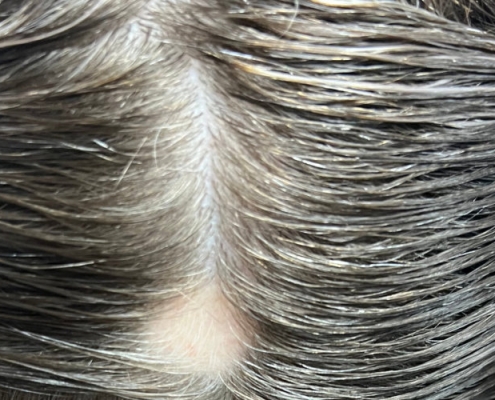 https://www.thehairscalpclinic.com.au/wp-content/uploads/2026/01/Hormonal-changes-and-hairloss-what-happens.jpg
500
1000
admin
https://www.thehairscalpclinic.com.au/wp-content/uploads/2025/12/The-Hair-and-Scalp-Clinic-Logo-2.png
admin2026-01-08 01:34:252026-01-08 23:00:56Hormonal Changes and Hair Loss: What Happens During Perimenopause and Menopause
https://www.thehairscalpclinic.com.au/wp-content/uploads/2026/01/Hormonal-changes-and-hairloss-what-happens.jpg
500
1000
admin
https://www.thehairscalpclinic.com.au/wp-content/uploads/2025/12/The-Hair-and-Scalp-Clinic-Logo-2.png
admin2026-01-08 01:34:252026-01-08 23:00:56Hormonal Changes and Hair Loss: What Happens During Perimenopause and Menopause
