
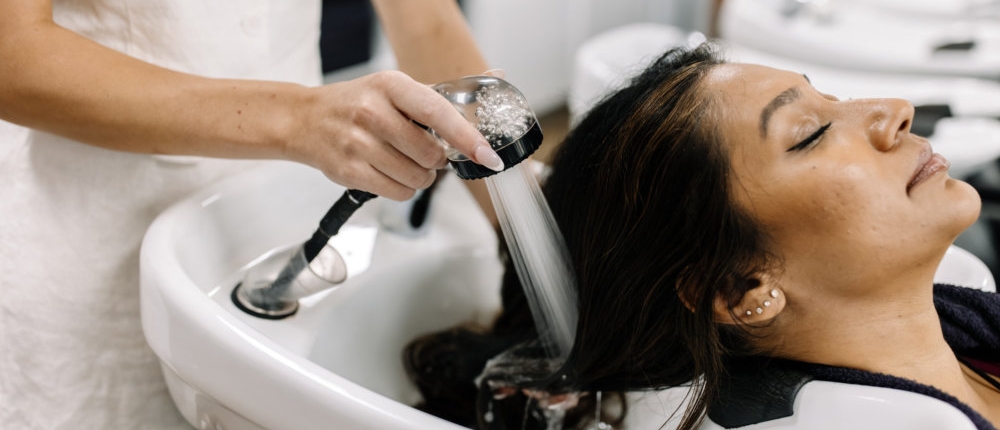
Menopause and Telogen Effluvium: When Hormonal Change Triggers Temporary Shedding
Hair shedding during menopause can feel sudden and overwhelming, particularly when it appears at the same time as other physical and emotional changes. Many people worry that the shedding means permanent hair loss or that something is seriously wrong.
In many cases, this type of shedding is linked to telogen effluvium – a temporary hair shedding condition that can be triggered by hormonal fluctuation and physiological stress during the menopausal transition.
This article explains how menopause can trigger telogen effluvium, what that shedding typically looks like, and how it differs from longer-term hair thinning.
What is telogen effluvium?
Telogen effluvium is a condition where a higher-than-normal number of hairs shift into the resting (telogen) phase of the hair growth cycle at the same time.
Hair growth follows a natural cycle of growth, transition, and rest. When the body experiences physiological stress, this cycle can be disrupted, leading to increased shedding several weeks or months later.
Importantly, telogen effluvium does not damage the hair follicle. The follicle remains capable of producing new hair once the cycle stabilises.
Detailed clinical explanations of this process are available through dermatology and medical references such as StatPearls (NCBI) and DermNet NZ.
For a comprehensive overview, see:
Telogen Effluvium Explained: The Temporary Hair Loss No One Talks About
Why menopause can trigger telogen effluvium
Menopause is not a single event but a prolonged period of hormonal fluctuation and adjustment. During perimenopause and the years surrounding menopause, oestrogen and progesterone levels rise and fall unpredictably before eventually stabilising at a lower level.
These hormonal shifts act as a form of physiological stress on the body. In response, the hair cycle may temporarily prioritise rest over growth, pushing more hairs into the telogen phase.
Research has shown that physiological stress – including hormonal disruption – is a recognised trigger for telogen effluvium (Telogen Effluvium and Physiological Stress – PubMed).
This is why shedding often begins months after hormonal changes start, rather than immediately.
What menopausal telogen effluvium typically looks like
Telogen effluvium related to menopause usually presents as diffuse shedding across the scalp, rather than hair loss in specific patches.
Common features include:
- Sudden increase in daily hair shedding
- More hair noticed during washing or brushing
- Reduced ponytail thickness
- No scarring or bald patches
Patient guidance from the Cleveland Clinic notes that while shedding can feel dramatic, telogen effluvium is usually temporary once the trigger stabilises.
Timing: why shedding often feels delayed
One of the most distressing aspects of telogen effluvium is the delay between hormonal change and visible hair shedding.
Shedding typically begins 6–12 weeks after the triggering hormonal shift. This reflects the time it takes for hairs that have entered the resting phase to be released.
Clinical reviews published through the National Center for Biotechnology Information describe this delayed onset as a defining feature of telogen effluvium (Telogen Effluvium: A Review).
Menopausal shedding versus longer-term thinning
Not all hair changes during menopause are due to telogen effluvium.
Telogen effluvium causes increased shedding but does not permanently reduce the number of hair follicles. In contrast, ongoing thinning may reflect changes in hair growth patterns or follicle size.
This distinction is important and is explored further in:
Hair Thinning During Menopause: Temporary Shedding or Ongoing Change?
Understanding whether shedding is temporary or part of a longer-term pattern helps guide appropriate support.
How The Hair & Scalp Clinic assesses menopausal shedding
The Hair & Scalp Clinic does not diagnose medical conditions or manage hormone therapy. Our role is to assess hair and scalp health and identify patterns consistent with known conditions such as telogen effluvium.
A professional Hair & Scalp Analysis may consider:
- The timing and pattern of shedding
- Scalp condition and hair density
- Recent hormonal, health, or lifestyle changes
- Whether recovery appears to be occurring
Where appropriate, referral to a GP or specialist may be recommended to rule out contributing medical factors.
Supporting recovery from menopausal telogen effluvium
There is no way to stop telogen effluvium instantly once it has been triggered. Recovery depends on allowing the hair cycle to reset while supporting the scalp and hair through the process.
Supportive care may include:
- Optimising scalp health through Scalp Treatments
- Strengthening fragile hair with appropriate Hair Loss Treatments
- Ongoing monitoring via Personalised Treatment Plans & Follow Up Care
- Long-term support through Preventative & Maintenance Care
Nutrition can also influence recovery, particularly when dietary intake has changed. This is discussed further in:
The Role of Nutrition and Supplements in Post-Weight-Loss Hair Recovery
When menopausal shedding should be assessed
While telogen effluvium is often temporary, assessment is recommended if shedding is prolonged, worsening, or significantly affecting wellbeing.
Clear guidance on when to seek assessment is outlined in:
When Hair Changes During Menopause Should Be Assessed
Key takeaway
Menopause-related telogen effluvium is a common response to hormonal fluctuation and physiological stress. While the shedding can feel alarming, it is often temporary and manageable with the right understanding and support.
Assessment helps distinguish temporary shedding from longer-term changes and ensures care is appropriate, calm, and evidence-informed.
Frequently Asked Questions
Why does menopause cause telogen effluvium?
Menopause involves ongoing hormonal fluctuation and eventual hormonal decline. These changes place physiological stress on the body, which can disrupt the hair growth cycle. In response, more hairs may enter the resting phase, leading to increased shedding several months later.
How long does menopausal telogen effluvium last?
Shedding often lasts several months, but this varies between individuals. In many cases, regrowth begins once hormonal fluctuations stabilise. Visible improvement takes time because hair grows slowly.
Is menopausal telogen effluvium permanent?
No. Telogen effluvium does not permanently damage hair follicles. However, it can occur alongside other hair changes, which is why assessment is helpful if shedding persists.
Can telogen effluvium happen more than once during menopause?
Yes. Repeated hormonal fluctuations or additional stressors can trigger more than one episode of telogen effluvium during the menopausal transition.
Does hormone replacement therapy stop telogen effluvium?
Hair response to hormone therapy varies, and decisions about hormone treatment should always be made with a medical professional. A hair and scalp clinic does not advise on medication use.
When should I seek professional help for menopausal hair shedding?
If shedding lasts longer than expected, worsens, or causes significant distress, professional assessment can help clarify what’s happening and whether further medical review is appropriate.
You may be also interested in
 https://www.thehairscalpclinic.com.au/wp-content/uploads/2026/01/When-hair-changes-during-menopause.jpg
500
1000
admin
https://www.thehairscalpclinic.com.au/wp-content/uploads/2025/12/The-Hair-and-Scalp-Clinic-Logo-2.png
admin2026-01-08 01:43:352026-01-08 22:33:51When Hair Changes During Menopause Should Be Assessed
https://www.thehairscalpclinic.com.au/wp-content/uploads/2026/01/When-hair-changes-during-menopause.jpg
500
1000
admin
https://www.thehairscalpclinic.com.au/wp-content/uploads/2025/12/The-Hair-and-Scalp-Clinic-Logo-2.png
admin2026-01-08 01:43:352026-01-08 22:33:51When Hair Changes During Menopause Should Be Assessed https://www.thehairscalpclinic.com.au/wp-content/uploads/2026/01/Hormonal-hair-changes.jpg
500
1000
admin
https://www.thehairscalpclinic.com.au/wp-content/uploads/2025/12/The-Hair-and-Scalp-Clinic-Logo-2.png
admin2026-01-08 01:39:162026-01-08 22:52:06Hormonal Hair Changes vs Pattern Hair Loss: How They’re Different
https://www.thehairscalpclinic.com.au/wp-content/uploads/2026/01/Hormonal-hair-changes.jpg
500
1000
admin
https://www.thehairscalpclinic.com.au/wp-content/uploads/2025/12/The-Hair-and-Scalp-Clinic-Logo-2.png
admin2026-01-08 01:39:162026-01-08 22:52:06Hormonal Hair Changes vs Pattern Hair Loss: How They’re Different https://www.thehairscalpclinic.com.au/wp-content/uploads/2026/01/Why-hair-density-changes.jpg
500
1000
admin
https://www.thehairscalpclinic.com.au/wp-content/uploads/2025/12/The-Hair-and-Scalp-Clinic-Logo-2.png
admin2026-01-08 01:37:552026-01-08 22:54:23Why Hair Density Changes During Perimenopause
https://www.thehairscalpclinic.com.au/wp-content/uploads/2026/01/Why-hair-density-changes.jpg
500
1000
admin
https://www.thehairscalpclinic.com.au/wp-content/uploads/2025/12/The-Hair-and-Scalp-Clinic-Logo-2.png
admin2026-01-08 01:37:552026-01-08 22:54:23Why Hair Density Changes During Perimenopause https://www.thehairscalpclinic.com.au/wp-content/uploads/2026/01/Hair-thinning-during-menopause.jpg
500
1000
admin
https://www.thehairscalpclinic.com.au/wp-content/uploads/2025/12/The-Hair-and-Scalp-Clinic-Logo-2.png
admin2026-01-08 01:36:422026-01-08 22:56:39Hair Thinning During Menopause: Temporary Shedding or Ongoing Change?
https://www.thehairscalpclinic.com.au/wp-content/uploads/2026/01/Hair-thinning-during-menopause.jpg
500
1000
admin
https://www.thehairscalpclinic.com.au/wp-content/uploads/2025/12/The-Hair-and-Scalp-Clinic-Logo-2.png
admin2026-01-08 01:36:422026-01-08 22:56:39Hair Thinning During Menopause: Temporary Shedding or Ongoing Change? https://www.thehairscalpclinic.com.au/wp-content/uploads/2026/01/Menopause-and-telogen-effluvium.jpg
500
1000
admin
https://www.thehairscalpclinic.com.au/wp-content/uploads/2025/12/The-Hair-and-Scalp-Clinic-Logo-2.png
admin2026-01-08 01:35:422026-01-08 22:58:57Menopause and Telogen Effluvium: When Hormonal Change Triggers Temporary Shedding
https://www.thehairscalpclinic.com.au/wp-content/uploads/2026/01/Menopause-and-telogen-effluvium.jpg
500
1000
admin
https://www.thehairscalpclinic.com.au/wp-content/uploads/2025/12/The-Hair-and-Scalp-Clinic-Logo-2.png
admin2026-01-08 01:35:422026-01-08 22:58:57Menopause and Telogen Effluvium: When Hormonal Change Triggers Temporary Shedding https://www.thehairscalpclinic.com.au/wp-content/uploads/2026/01/Hormonal-changes-and-hairloss-what-happens.jpg
500
1000
admin
https://www.thehairscalpclinic.com.au/wp-content/uploads/2025/12/The-Hair-and-Scalp-Clinic-Logo-2.png
admin2026-01-08 01:34:252026-01-08 23:00:56Hormonal Changes and Hair Loss: What Happens During Perimenopause and Menopause
https://www.thehairscalpclinic.com.au/wp-content/uploads/2026/01/Hormonal-changes-and-hairloss-what-happens.jpg
500
1000
admin
https://www.thehairscalpclinic.com.au/wp-content/uploads/2025/12/The-Hair-and-Scalp-Clinic-Logo-2.png
admin2026-01-08 01:34:252026-01-08 23:00:56Hormonal Changes and Hair Loss: What Happens During Perimenopause and Menopause
