
Hormonal Changes and Hair Loss: What Happens During Perimenopause and Menopause
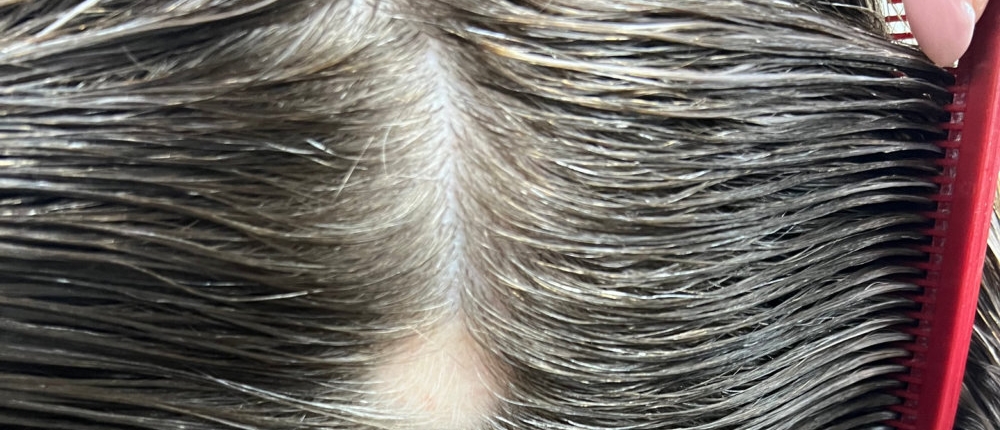
Hair changes during midlife are extremely common, yet many people feel unprepared for how confronting they can be. Shedding, thinning, and changes in hair texture often appear gradually, leaving individuals unsure whether what they’re experiencing is “normal,” temporary, or something that needs professional attention.
Hormonal change plays a significant role in many of these experiences. Understanding how perimenopause and menopause affect the body – and how those changes can influence hair growth – helps set realistic expectations and reduces unnecessary fear.
This article explains what happens to hair during hormonal transition, why changes vary from person to person, and when assessment and support may be helpful.
Understanding hormonal change during perimenopause and menopause
Perimenopause refers to the transitional phase leading up to menopause. It can begin several years before menstrual periods stop and is characterised by fluctuating hormone levels rather than a single hormonal “drop.”
Oestrogen and progesterone levels rise and fall unpredictably during this time. These fluctuations affect multiple systems in the body, including the skin and hair.
Menopause itself is defined as the point when menstrual periods have ceased for 12 consecutive months. After menopause, oestrogen levels stabilise at a lower baseline.
According to Healthdirect Australia, hormonal changes during this transition affect people differently, both in timing and severity. Hair changes are one of many possible symptoms, alongside hot flushes, sleep disruption, and changes in skin texture.
Healthdirect Australia – Menopause
How hormones influence hair growth
Hair growth is regulated by the hair cycle, which includes growth, transition, and resting phases. Hormones influence how long hairs remain in each phase and how robustly they grow.
Oestrogen supports the growth phase of the hair cycle. When levels fluctuate or decline, hairs may spend less time growing and more time resting. Over time, this can result in increased shedding, reduced density, or slower regrowth.
It’s important to note that hormonal change does not affect everyone in the same way. Genetics, overall health, nutritional status, stress levels, and existing hair conditions all influence how hair responds.
Why hair shedding can increase during hormonal transition
One of the most common hair-related experiences during perimenopause and menopause is increased shedding rather than immediate thinning.
Hormonal fluctuation acts as a physiological stressor. In response, a higher number of hairs may shift into the resting phase of the hair cycle. Several months later, those hairs shed – a process known as telogen effluvium.
This mechanism is well documented in dermatological literature and is discussed in detail in clinical reviews published through the National Center for Biotechnology Information.
Telogen Effluvium and Physiological Stress – PubMed
For a deeper explanation of this process, see our related article:
Menopause and Telogen Effluvium: When Hormonal Change Triggers Temporary Shedding
Shedding versus thinning: understanding the difference
Shedding and thinning are often used interchangeably, but they describe different processes.
Shedding refers to an increased number of hairs falling out. Thinning refers to a gradual reduction in overall hair density, often related to changes in follicle size or growth duration.
During hormonal transition, shedding is often temporary and related to telogen effluvium. Thinning, however, may reflect longer-term changes in hair growth patterns.
This distinction is explored further in:
Hair Thinning During Menopause: Temporary Shedding or Ongoing Change?
Hormonal hair changes and pattern hair loss
Hormonal changes can also interact with genetically influenced hair loss patterns. This does not mean that menopause causes pattern hair loss, but it can make existing tendencies more noticeable.
Authoritative dermatology resources such as DermNet NZ explain that pattern hair loss involves gradual miniaturisation of hair follicles rather than sudden shedding.
DermNet NZ – Female Pattern Hair Loss
Understanding these differences is essential for appropriate support and is discussed in:
Hormonal Hair Changes vs Pattern Hair Loss: How They’re Different
Why hair density may change during perimenopause
Perimenopause is marked by ongoing hormonal fluctuation rather than stability. This can result in repeated cycles of shedding and regrowth, which may gradually affect perceived hair density.
Changes in hair texture, slower regrowth, and reduced volume can all contribute to the feeling that hair is becoming thinner, even when follicles remain active.
This stage-specific experience is explored further in:
Why Hair Density Changes During Perimenopause
How The Hair & Scalp Clinic supports hormonal hair changes
The Hair & Scalp Clinic does not diagnose medical conditions or advise on hormone therapy. Our role is to assess hair and scalp health, identify patterns consistent with known conditions, and support recovery where appropriate.
A professional Hair & Scalp Analysis allows us to examine shedding patterns, hair density, scalp condition, and contributing factors.
Support may include:
- Targeted Scalp Treatments to maintain a healthy scalp environment
- Supportive Hair Loss Treatments where appropriate
- Ongoing care through Personalised Treatment Plans & Follow Up Care
- Long-term support via Preventative & Maintenance Care
When hormonal hair changes should be assessed
Not all hair changes require intervention. However, assessment may be helpful if shedding is prolonged, density continues to decline, or changes are causing distress.
Clear guidance on this topic is provided in:
When Hair Changes During Menopause Should Be Assessed
Key takeaway
Hormonal changes during perimenopause and menopause can influence hair growth in multiple ways. These changes are common, varied, and often manageable with the right understanding and support.
Clear assessment, realistic expectations, and evidence-informed care help ensure that hair changes are addressed calmly and appropriately – without unnecessary fear or assumptions.
Frequently Asked Questions
Can hormonal changes during menopause really affect hair growth?
Yes. Hormones play an important role in regulating the hair growth cycle. During perimenopause and menopause, fluctuating and declining oestrogen levels can alter how long hairs remain in the growth phase. This may result in increased shedding, slower regrowth, or changes in hair density over time. The impact varies widely between individuals.
Is hair shedding during menopause always temporary?
Not always. Some shedding is temporary and related to telogen effluvium, particularly when triggered by hormonal fluctuation or stress. In other cases, ongoing thinning may reflect longer-term changes in hair growth patterns. This is why assessment is helpful when shedding persists or worsens.
How is menopausal hair shedding different from pattern hair loss?
Menopausal shedding often involves diffuse hair fall across the scalp, whereas pattern hair loss typically presents as gradual thinning in specific areas. The underlying mechanisms are different, and one does not automatically mean the other. Understanding the distinction helps guide appropriate support.
Can hair density return after menopause?
In many cases, yes. Hair regrowth can occur once hormonal fluctuations stabilise, particularly if follicles remain active. However, regrowth takes time, and changes may be gradual. Supportive care can help optimise conditions for recovery.
Should I see a doctor about hair changes during menopause?
Medical review may be recommended if hair changes are severe, rapid, or accompanied by other symptoms. A hair and scalp assessment can help determine whether referral to a GP or specialist is appropriate.
What role does a hair and scalp clinic play in hormonal hair changes?
A hair and scalp clinic assesses hair and scalp health, identifies patterns consistent with known conditions, and provides supportive care. Clinics do not diagnose medical conditions or manage hormone therapy but work alongside medical professionals where needed.
You may be also interested in
 https://www.thehairscalpclinic.com.au/wp-content/uploads/2026/01/When-hair-changes-during-menopause.jpg
500
1000
admin
https://www.thehairscalpclinic.com.au/wp-content/uploads/2025/12/The-Hair-and-Scalp-Clinic-Logo-2.png
admin2026-01-08 01:43:352026-01-08 22:33:51When Hair Changes During Menopause Should Be Assessed
https://www.thehairscalpclinic.com.au/wp-content/uploads/2026/01/When-hair-changes-during-menopause.jpg
500
1000
admin
https://www.thehairscalpclinic.com.au/wp-content/uploads/2025/12/The-Hair-and-Scalp-Clinic-Logo-2.png
admin2026-01-08 01:43:352026-01-08 22:33:51When Hair Changes During Menopause Should Be Assessed https://www.thehairscalpclinic.com.au/wp-content/uploads/2026/01/Hormonal-hair-changes.jpg
500
1000
admin
https://www.thehairscalpclinic.com.au/wp-content/uploads/2025/12/The-Hair-and-Scalp-Clinic-Logo-2.png
admin2026-01-08 01:39:162026-01-08 22:52:06Hormonal Hair Changes vs Pattern Hair Loss: How They’re Different
https://www.thehairscalpclinic.com.au/wp-content/uploads/2026/01/Hormonal-hair-changes.jpg
500
1000
admin
https://www.thehairscalpclinic.com.au/wp-content/uploads/2025/12/The-Hair-and-Scalp-Clinic-Logo-2.png
admin2026-01-08 01:39:162026-01-08 22:52:06Hormonal Hair Changes vs Pattern Hair Loss: How They’re Different https://www.thehairscalpclinic.com.au/wp-content/uploads/2026/01/Why-hair-density-changes.jpg
500
1000
admin
https://www.thehairscalpclinic.com.au/wp-content/uploads/2025/12/The-Hair-and-Scalp-Clinic-Logo-2.png
admin2026-01-08 01:37:552026-01-08 22:54:23Why Hair Density Changes During Perimenopause
https://www.thehairscalpclinic.com.au/wp-content/uploads/2026/01/Why-hair-density-changes.jpg
500
1000
admin
https://www.thehairscalpclinic.com.au/wp-content/uploads/2025/12/The-Hair-and-Scalp-Clinic-Logo-2.png
admin2026-01-08 01:37:552026-01-08 22:54:23Why Hair Density Changes During Perimenopause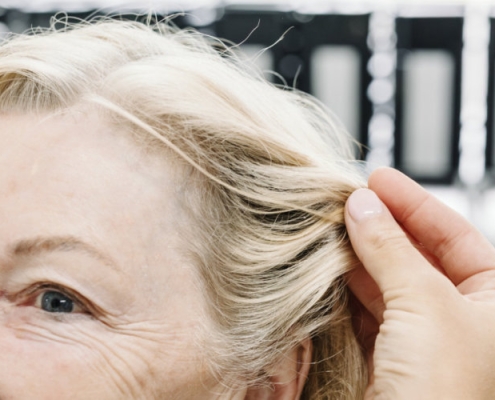 https://www.thehairscalpclinic.com.au/wp-content/uploads/2026/01/Hair-thinning-during-menopause.jpg
500
1000
admin
https://www.thehairscalpclinic.com.au/wp-content/uploads/2025/12/The-Hair-and-Scalp-Clinic-Logo-2.png
admin2026-01-08 01:36:422026-01-08 22:56:39Hair Thinning During Menopause: Temporary Shedding or Ongoing Change?
https://www.thehairscalpclinic.com.au/wp-content/uploads/2026/01/Hair-thinning-during-menopause.jpg
500
1000
admin
https://www.thehairscalpclinic.com.au/wp-content/uploads/2025/12/The-Hair-and-Scalp-Clinic-Logo-2.png
admin2026-01-08 01:36:422026-01-08 22:56:39Hair Thinning During Menopause: Temporary Shedding or Ongoing Change? https://www.thehairscalpclinic.com.au/wp-content/uploads/2026/01/Menopause-and-telogen-effluvium.jpg
500
1000
admin
https://www.thehairscalpclinic.com.au/wp-content/uploads/2025/12/The-Hair-and-Scalp-Clinic-Logo-2.png
admin2026-01-08 01:35:422026-01-08 22:58:57Menopause and Telogen Effluvium: When Hormonal Change Triggers Temporary Shedding
https://www.thehairscalpclinic.com.au/wp-content/uploads/2026/01/Menopause-and-telogen-effluvium.jpg
500
1000
admin
https://www.thehairscalpclinic.com.au/wp-content/uploads/2025/12/The-Hair-and-Scalp-Clinic-Logo-2.png
admin2026-01-08 01:35:422026-01-08 22:58:57Menopause and Telogen Effluvium: When Hormonal Change Triggers Temporary Shedding https://www.thehairscalpclinic.com.au/wp-content/uploads/2026/01/Hormonal-changes-and-hairloss-what-happens.jpg
500
1000
admin
https://www.thehairscalpclinic.com.au/wp-content/uploads/2025/12/The-Hair-and-Scalp-Clinic-Logo-2.png
admin2026-01-08 01:34:252026-01-08 23:00:56Hormonal Changes and Hair Loss: What Happens During Perimenopause and Menopause
https://www.thehairscalpclinic.com.au/wp-content/uploads/2026/01/Hormonal-changes-and-hairloss-what-happens.jpg
500
1000
admin
https://www.thehairscalpclinic.com.au/wp-content/uploads/2025/12/The-Hair-and-Scalp-Clinic-Logo-2.png
admin2026-01-08 01:34:252026-01-08 23:00:56Hormonal Changes and Hair Loss: What Happens During Perimenopause and Menopause
