Why Hair & Scalp Changes Happen

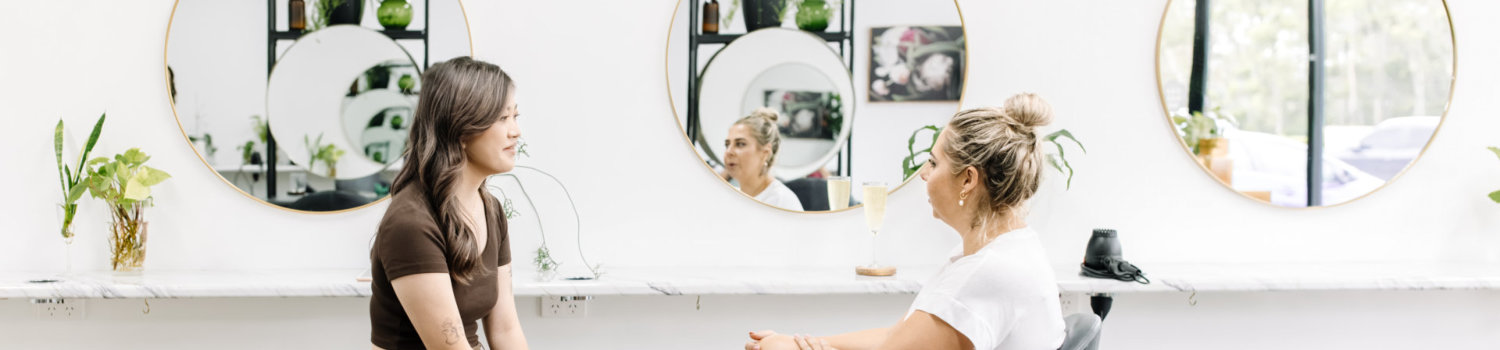
Hair and scalp changes can feel confusing, sudden, or even a little confronting – but they’re far more common than most women realise.

Throughout different stages of life, it’s completely normal to experience shifts in texture, shedding, sensitivity, thickness, and overall hair behaviour.

Your hair and scalp respond to what’s happening both inside and outside your body. Hormones, stress, lifestyle, age, environment, and everyday routines all play a role.

These factors can influence your hair cycle, scalp comfort, and the strength of your strands – often without warning.
When you know the “why,” it becomes much easier to choose the right support and care.

Our goal is to help you understand what may be contributing, so you feel informed, reassured, and supported rather than guessing on your own.

Common Factors That Influence Hair & Scalp Health

While every woman’s story is unique, many experience similar triggers. Below are some of the most common reasons women experience changes — each one normal, understandable, and often manageable with the right support.
Hormonal Changes

Hormones are one of the biggest influences on women’s hair and scalp. You may notice differences during:

  • postpartum recovery
  • perimenopause and menopause
  • hormonal contraception changes
  • menstrual cycles
  • times of rapid emotional or physical stress

Hormonal fluctuations can affect shedding, density, scalp sensitivity, dryness, oil balance, and even the texture of your hair. These shifts are often temporary but can feel worrying when you’re in the middle of them.

Stress & Emotional Wellbeing

Stress affects your whole body – and your hair is no exception.

Periods of high stress, lack of sleep, emotional overwhelm, or major life transitions can cause:

  • increased shedding
  • sudden or delayed hair fall
  • changes in hair texture
  • scalp tightness, burning, or sensitivity
  • dryness or flaking
  • slower hair growth
  • hair feeling “lifeless” or difficult to style

In many cases, stress doesn’t cause hair issues on its own — it simply amplifies what’s already happening beneath the surface.

The reassuring news?

With the right support, these stress-related changes often improve as your nervous system begins to settle.

Nutrition & Lifestyle

Your hair is a reflection of your overall wellbeing. When your body isn’t receiving enough of what it needs, your hair is often the first place you’ll notice it.

Common lifestyle-related contributors include:

  • low iron or ferritin
  • not eating enough
  • inconsistent meals
  • dehydration
  • reduced protein intake
  • sudden weight changes
  • limited sleep
  • high workloads or burnout
  • long-term illness or recovery

While we don’t diagnose medical issues, we can help identify patterns that may be influencing your hair and suggest when additional support might be useful.

Heat, Colour & Chemical Services

Your hair can only handle so much — and modern styling routines often push it further than you realise.

Common causes of breakage and thinning include:

  • frequent bleaching or lightening
  • permanent colour or repeated toning
  • keratin treatments or chemical smoothing
  • curling wands, straighteners, or hot brushes
  • excessive blow-drying
  • tight ponytails, buns, or braids
  • using the wrong products for your hair type

Damage often builds slowly over time until one day the breakage becomes obvious.

The good news?

Hair responds beautifully to the right strengthening, hydrating, and protective routines.

Scalp Health & Product Buildup

A healthy scalp is the foundation of strong, resilient hair. When the scalp is out of balance, your hair is often the first thing to show it.

You may experience:

  • dryness, flaking, or itchiness
  • excess oil or greasiness
  • sensitivity or tenderness
  • tightness or burning
  • product residue
  • irritation from harsh ingredients
  • inflamed or congested follicles

Sometimes, what feels like “hair loss” is actually breakage or slowed growth caused by scalp imbalance. With gentle support, scalp conditions can often improve significantly.

Genetic & Age-Related Changes

As we age, hair naturally shifts.

You may notice:

  • reduced thickness
  • slower growth
  • a widening part
  • finer strands
  • texture changes (e.g., becoming wiry or softer)
  • less volume around the hairline
  • increased dryness

These changes often become more noticeable during perimenopause and menopause due to natural hormonal decline. While genetics play a role, supportive care can make a meaningful difference in how your hair looks and feels.

Environmental Factors

Your hair and scalp are constantly exposed to the world around you. External factors can create dryness, brittleness, or irritation — sometimes without you realising the cause.

Common environmental contributors include:

  • UV exposure and heat from the sun
  • humidity and seasonal changes
  • hard water or chlorinated water
  • ocean swimming
  • wind exposure
  • pollution
  • dry indoor heating or air conditioning

Simple adjustments — along with the right products — can minimise environmental stress and keep your hair and scalp more balanced.

When Medical Support May Be Helpful

Most hair and scalp concerns can be supported with a personalised plan and ongoing care.

However, some situations may benefit from additional medical assessment.

While we don’t diagnose medical conditions, we can gently guide you toward other health professionals if we notice signs that may require further investigation.

You’ll never be left feeling unsure or unsupported.

How We Can Support You

Understanding the cause is the first step. The next is knowing what to do about it.

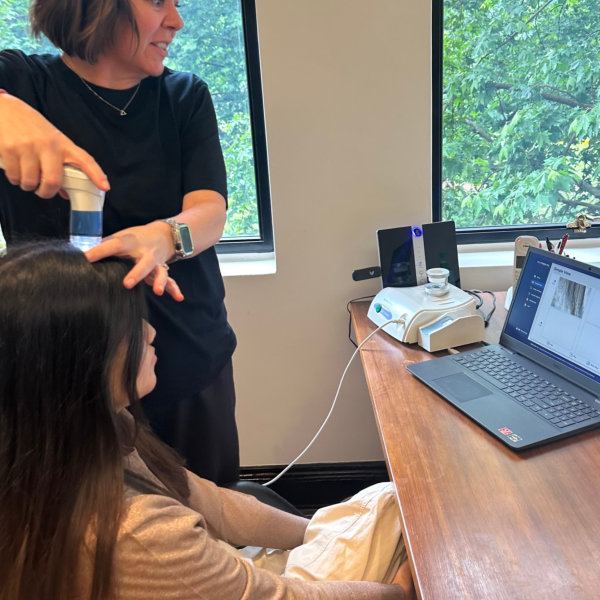
Through hair and scalp assessments, personalised treatment plans, and ongoing care, we help you:

  • understand what’s contributing to your concerns
  • feel more in control
  • build healthier long-term habits
  • create a supportive environment for stronger hair
  • reduce overwhelm and avoid guesswork

You don’t need to navigate these changes alone. We’re here to guide you gently and confidently through each stage.